LocalCloud
Maintained
≈ 1visits/mo
Use not read yet · estimate, read Oct 20, 2026
- For
- developers building local AI applications and using AI coding assistants like Claude Code, Cursor, Gemini CLI
- Activity
- Maintainedrelease 16 months ago · site updated 3 months ago
- Runs as
- Self-hosted
- App Store
- 00 ratingsiPhone & iPad · updated Aug 26, 2026
- Used for
- run open-source LLMs locally behind an OpenAI-compatible API
- build semantic search over documents using pgvector
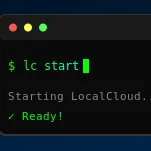
- start local Postgres, MongoDB, Redis and MinIO with one command
- Launched on Product Hunt on Jul 9, 2025Product Hunt ↗
Figure and bar: visits/mo, estimate · year: online since
- #1

Hugging FaceMCP · sign-in
Hosts machine learning models, datasets, and applications for collaborative development and deployment.
1.1MActiveFrom $9/mo2016 - #2

FirecrawlMCP · open
Searches, scrapes, and interacts with websites to provide clean data for AI agents.
128kActiveFrom $19/mo2022 - #3

RelayGPUMCP · sign-in
Proxies calls to frontier and open-source models, plus image and video generators, behind a single endpoint at discounted per-token rates.
52ActiveFrom $0.02 per use2024 - #4

Dash Builds
Installs a Postgres and pgvector memory server in your Supabase that exposes semantic search to Claude, Cursor and Windsurf through MCP.
3MaintainedFrom $59 once - #5

Instanode
Provisions managed Postgres, Redis, MongoDB, queues and storage from a single curl call for AI agents to use.
1MaintainedFrom $9/mo - #6

Agent Guard
Aligns the proxy, IP and timezone of local AI agents like Claude Code and Cursor, and flags secrets leaking through their config files.
1Active
Not it? Say what you need
betaThree tools from the Atlas for the job you describe, each with what fits and what does not.
No notes yet. What do you use LocalCloud for?
Sign in to leave a noteWhat is LocalCloud?
Runs local AI models alongside Postgres, MongoDB, Redis and MinIO storage on a developer's machine through one setup command. It is listed in the Atlas under Data.
Who is LocalCloud for?
developers building local AI applications and using AI coding assistants like Claude Code, Cursor, Gemini CLI
Is LocalCloud still maintained?
Maintained: release 16 months ago · site updated 3 months ago.
Does LocalCloud have an iPhone app?
Yes: “LocalCloud: Photo Storage P2P” on the App Store, rated 0 from 0 ratings; current version released 2026-08-26.
What are alternatives to LocalCloud?
In Data, by use: Hugging Face, Firecrawl, RelayGPU, Dash Builds, Instanode, Agent Guard.
How we read a tool
No votes, no reviews, no vendor claims. Every week a crawler reads each tool's own site and a few public registries, and the words on the card are bands over what it read.
- Use: visits to the site (estimated), installs from npm and PyPI, presence in Chrome's usage report.
- Activity: the newest release on GitHub, npm or PyPI; the newest dated page on the site; open roles on a public jobs board.
- Price: the vendor's own pricing page, read with the date. A figure is printed only when it is on that page.
- The line and the use cases are written by us from the homepage, one tool at a time, and refused when they repeat the vendor's marketing.
How AI assistants read each site — the reading vendors ask us about — is on each tool's own visibility page.
How we read every tool → · By INITE Atlas Desk
Cookies
Before we count this visit
Analytics and ad measurement tell us which pages and which of our ads do their job: Google Analytics and Google Ads, the Meta pixel, Yandex Metrica, and one first-party id of our own. Nothing is stored until you answer, and declining changes nothing about the site.